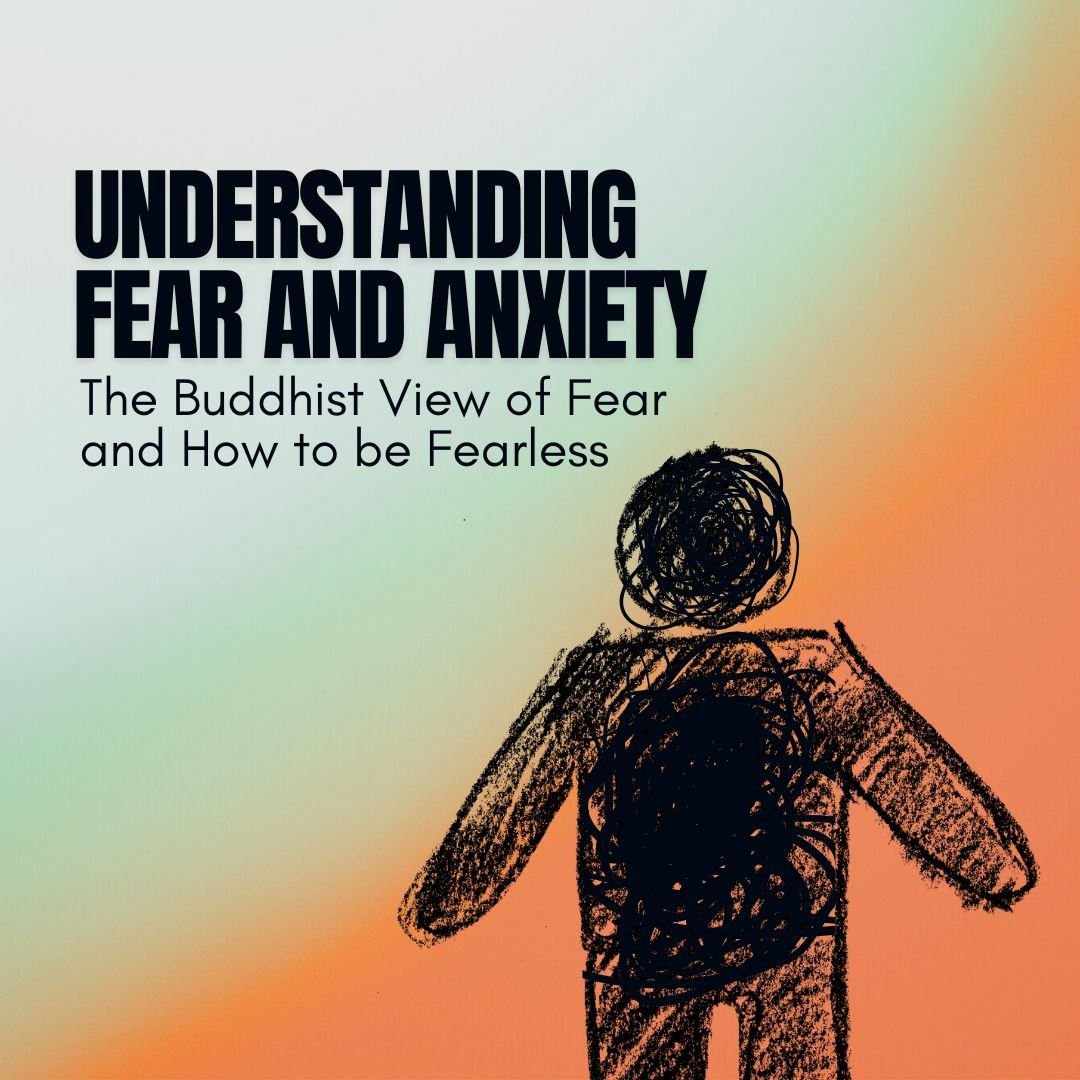
Fear. It's a primal whisper, a jolt, a tightening in the chest that we've all felt. From the sudden chill of realizing a threat to the gnawing anxiety of an uncertain future, fear is a fundamental human experience. But what exactly is it? Why do we feel it, and what happens when it becomes an overwhelming force in our lives? Unpacking the psychology of fear isn't just an academic exercise; it's a vital step in understanding ourselves, building resilience, and fostering mental well-being.
As a seasoned journalist who has delved into the intricacies of human emotion, I've come to see fear not just as an enemy to be conquered, but as a complex signal system designed to protect us. Yet, when this system goes awry, it can transform from a watchful guardian into a relentless tormentor, impacting nearly 20% of adults in the U.S. with anxiety disorders that stem from uncontrolled fear. This guide will explore fear from its neurological roots to its societal manifestations, offering insights and practical strategies to help you navigate this powerful emotion.
Fear: An Essential Survival Mechanism (At a Glance)
- Protective Instinct: Fear is a basic emotion that alerts us to physical and mental risks, crucial for survival.
- Fight-or-Flight: It triggers a rapid physiological response, preparing the body to confront or escape danger.
- Universal Symptoms: Manifests with common physical signs like chills, rapid breathing, and tense muscles.
- Two Types: Adaptive fear protects us from real threats; maladaptive fear is harmful, hindering daily life.
- Brain's Command Center: The amygdala is key, detecting threats and initiating the fear response, involving hormones like adrenaline and cortisol.
- Multiple Sources: Fear can stem from past trauma, negative thoughts, social pressures, cultural norms, and environmental factors.
- Mental Health Impact: Unmanaged fear is a primary driver of anxiety disorders, including phobias, PTSD, and panic disorder.
- Coping is Possible: Strategies like mindfulness, CBT, professional help, and strong support systems can effectively manage fear.
- Lifelong Evolution: Fears change as we age, from childhood anxieties about the dark to adult worries about finances and relationships.
The Double Edge of Fear: Adaptive vs. Maladaptive
At its core, fear is a sophisticated alarm system. Imagine stumbling upon a venomous snake while hiking; the sudden surge of adrenaline, the rapid heartbeat, the instinctive leap backward—that's adaptive fear in action. It's a healthy, necessary response to immediate danger, sharpening our senses and preparing our bodies to react in ways that keep us safe. This kind of fear is a gift from evolution, honed over millennia to ensure our survival.
However, fear isn't always a helpful ally. Sometimes, the alarm bells ring when there's no actual fire. This is maladaptive fear, and it's far more insidious. This type of fear manifests as an exaggerated or irrational response to a perceived threat, often hindering daily activities and quality of life. Think of an intense fear of the dark that prevents sleep, a crippling fear of heights that makes walking over a bridge impossible, or a social phobia so severe it isolates you from meaningful connections. Maladaptive fear, unlike its adaptive counterpart, doesn't protect; it imprisons.
Inside Your Brain: The Neuroscience of Fear
To truly grasp fear, we need to look under the hood—into the intricate machinery of the human brain. When faced with a potential threat, your brain acts with astonishing speed. The central player in this drama is the amygdala, a small, almond-shaped region deep within the temporal lobe. Often called the brain's "threat detector," the amygdala processes emotional memories and rapidly assesses incoming sensory information for signs of danger.
If a threat is detected, the amygdala doesn't waste time. It sends urgent signals to various other brain regions and the body's endocrine system, initiating what's famously known as the "fight-or-flight" response. This cascade involves a complex interplay of neural circuits and hormones. The hypothalamus, for instance, activates the sympathetic nervous system, prompting the adrenal glands to unleash a flood of adrenaline and cortisol into your bloodstream. Adrenaline causes your heart to pound, blood to rush to your muscles, and your breathing to quicken, readying you for immediate action. Cortisol, the primary stress hormone, sustains this heightened state of alert.
This entire process happens in milliseconds, often before your conscious mind even fully registers what's happening. While remarkably efficient for survival, this rapid-fire system can also be overactive. Individual variations, partly influenced by genetic vulnerability, can affect how strongly and quickly an individual's amygdala reacts to perceived threats, significantly increasing the likelihood of developing anxiety-related issues. This biological predisposition explains why some people are naturally more prone to intense fear responses than others.
Where Fear Comes From: Unpacking Its Roots
Fear isn't a monolithic entity; it’s a mosaic woven from countless experiences, thoughts, and external influences. Understanding its varied origins is crucial for effective management.
Past Traumas & Phobias
One of the most potent architects of fear is past traumatic experience. A single, terrifying event—a car accident, an assault, a natural disaster—can etch deep neurological pathways, creating powerful associations that trigger fear long after the immediate danger has passed. These experiences can morph into specific phobias (an intense, irrational fear of a particular object or situation) or more pervasive anxieties that disrupt daily life. The brain, in its attempt to protect you from a repeat incident, sometimes over-learns the danger, making you hyper-vigilant to triggers that may no longer pose a real threat.
The Power of Negative Thoughts
Our internal monologue plays a surprisingly significant role in amplifying or even creating fear. Negative thought patterns, such as self-doubt, catastrophizing (imagining the worst-case scenario), or rumination (obsessive thinking about a problem), can transform minor worries into debilitating anxieties. If you constantly tell yourself you'll fail, you might develop a fear of trying new things. If you dwell on past social awkwardness, you might fuel a fear of social rejection, leading to avoidance and the very physical reactions (like a racing heart or flushed face) that you dread. These thought patterns create a self-fulfilling prophecy of fear.
Social & Cultural Currents
Humans are inherently social creatures, and our fears are often shaped by the world around us. Social influence and relational dynamics play a huge part. Peer pressure, cultural expectations, and the universal desire for acceptance can all ignite social anxiety. The fear of judgment, ostracism, or not meeting societal standards is a powerful motivator, often driving behavior in subtle ways.
Beyond immediate social circles, the broader environment and cultural norms profoundly influence what we perceive as fearful. In some cultures, open expression of emotion might be frowned upon, leading individuals to internalize fears. The omnipresent influence of media also plays a critical role, often amplifying fears through sensationalized news or the constant barrage of alarming information. While awareness is vital, excessive media consumption can distort our perception of risk, making the world seem more dangerous than it truly is.
Environment & Geography
Our physical surroundings also contribute to our unique fear landscapes. Geographical location can shape prevalent fears: urban dwellers might prioritize fears related to personal safety, crime, or public transport, while those in rural areas might be more concerned with isolation, natural disasters, or access to resources. A community with strong social bonds might experience lower levels of generalized fear, knowing they have collective support in times of crisis. Conversely, a fractured or anonymous environment can exacerbate feelings of vulnerability.
When Fear Becomes a Burden: Its Impact on Mental Health
While a certain level of fear is normal and healthy, uncontrolled or pervasive fear is a primary driver of serious mental health challenges, notably anxiety disorders. These conditions can significantly impair quality of life, making everyday tasks feel insurmountable and isolating individuals from support. For instance, phobias—intense, irrational fears—are known to particularly affect minority groups, often leading to a reluctance to seek help due to stigma or lack of access.
Let's explore some of the most common fear-related disorders:
A Spectrum of Fear Disorders
- Specific Phobias: These involve an intense, irrational fear of a particular object or situation. Common examples include arachnophobia (fear of spiders), acrophobia (fear of heights), or claustrophobia (fear of confined spaces). The fear is out of proportion to the actual danger, often triggering panic attacks or complete avoidance of the feared stimulus.
- Social Phobia (Social Anxiety Disorder): Characterized by an intense fear of negative evaluation, embarrassment, or humiliation in social situations. This can manifest as extreme shyness, avoidance of public speaking, or dread of interacting with strangers.
- Agoraphobia: More than just a fear of open spaces, agoraphobia is a profound fear of situations or places that might be difficult to escape from or where help might not be available if panic symptoms occur. This can lead to avoiding public transportation, open spaces, enclosed places, standing in line, or being outside the home alone.
- Post-Traumatic Stress Disorder (PTSD): This develops after exposure to a traumatic event. Individuals with PTSD experience persistent re-experiencing of the trauma (flashbacks, nightmares), avoidance of trauma-related stimuli, negative alterations in mood and cognition, and hyperarousal (being constantly on edge). Their fear response is often disproportionately strong, triggered by reminders of the past trauma.
- Generalized Anxiety Disorder (GAD): Unlike specific fears, GAD involves excessive, uncontrollable worry about a wide range of everyday life events or activities. This pervasive anxiety can manifest as restlessness, fatigue, difficulty concentrating, irritability, muscle tension, and sleep disturbances.
- Panic Disorder: Marked by recurrent, unexpected panic attacks—sudden, intense surges of terror accompanied by overwhelming physical symptoms like a pounding heart, shortness of breath, dizziness, chest pain, and a feeling of losing control or impending doom. The intense fear of future attacks often leads to significant behavioral changes.
Fear Across the Lifespan: A Journey of Evolving Worries
Our relationship with fear isn't static; it evolves with us through different stages of life, reflecting our developmental milestones, cognitive abilities, and life experiences.
- Early Childhood (0-4 years): The world is new and often overwhelming for very young children. Common fears include strangers, unfamiliar places, loud noises, the dark, and separation from primary caregivers. These fears are largely instinctive and tied to survival and attachment needs.
- Childhood (5-7+ years): As children grow, their imagination develops, bringing new fears like nightmares, monsters under the bed, or the prospect of disappointing adults. They also begin to grasp abstract concepts, leading to fears about illness, natural disasters, or even death. School-related anxieties, like fear of failure or bullying, may also emerge.
- Adolescence: This period is a crucible of identity formation and social development. Fears often shift to peer pressure, academic performance, and, most prominently, social rejection. The intense desire for belonging and self-consciousness about one's appearance and abilities can lead to significant social anxiety and self-doubt.
- Adulthood: Adult fears tend to revolve around responsibility, security, and the future. Common anxieties include career stability, financial security, the health and well-being of loved ones, and the complexities of relationships. Major life events like marriage, parenthood, or career changes can also trigger significant fears and anxieties. Later in life, concerns about health, aging, and loss become more prominent.
Navigating the Labyrinth of Fear: Practical Coping Strategies
Managing fear isn't about eliminating it entirely—that's neither possible nor desirable. Instead, it's about learning to understand, acknowledge, and effectively respond to it so it doesn't control your life.
Mindfulness & Deep Breathing
One of the most immediate and effective tools against an acute fear response is mindfulness. This practice involves intentionally focusing on the present moment, observing your thoughts and feelings without judgment. When fear strikes, it often pulls us into worries about the future or regrets about the past. By consciously redirecting your attention to your breath, the sensations in your body, or your immediate surroundings, you can disrupt the fear cycle. Deep, diaphragmatic breathing—inhaling slowly through your nose, letting your belly expand, and exhaling slowly through your mouth—activates the parasympathetic nervous system, signaling to your brain that you are safe and can calm down.
Challenging Your Thoughts (Cognitive Restructuring)
Fear often thrives on distorted or irrational thought patterns. Cognitive restructuring is a powerful technique to identify and challenge these negative thoughts. When you feel fear, ask yourself: Is this thought truly factual? What's the evidence for it? What's an alternative, more balanced way of looking at this situation? By actively questioning and reframing your thoughts from catastrophic to logical, you can gradually reduce their power over you. This isn't about positive thinking; it's about realistic thinking.
Building Your Support System
You don't have to face your fears alone. A strong support system—comprising trusted friends, family members, or community groups—can be an invaluable resource. Sharing your experiences and fears with someone who listens without judgment can significantly reduce feelings of isolation and shame. It provides perspective, emotional comfort, and practical advice. Knowing you have people in your corner strengthens your resilience and reminds you that you're not an outlier in your struggles. For a deeper dive into cultivating meaningful connections, Learn more about 膽大黨.
Embracing Relaxation Techniques
Regular engagement in relaxation techniques can reduce your baseline anxiety levels, making you less susceptible to intense fear responses. Practices like meditation, progressive muscle relaxation (tensing and then relaxing different muscle groups), and yoga cultivate a sense of calm and body awareness. Furthermore, aerobic exercise is a potent anxiolytic. Physical activity releases endorphins, reduces stress hormones, and provides a healthy outlet for pent-up energy and tension, all of which contribute to better mood regulation and a decreased fear response.
Seeking Professional Help: When and How
While self-help strategies are incredibly valuable, some fears are too entrenched or overwhelming to manage alone. Knowing when to seek professional help is a sign of strength, not weakness.
The Role of Therapy
For many, therapy offers structured and effective pathways to overcome fear-related disorders. Cognitive Behavioral Therapy (CBT) is widely regarded as the gold standard. CBT helps individuals identify and challenge unhelpful thought patterns and behaviors that contribute to their fear. It equips you with practical strategies to manage anxiety, reframe negative beliefs, and gradually confront feared situations in a safe, controlled environment.
Specific Treatment Approaches
Beyond general CBT, several specialized therapeutic and medical interventions are highly effective:
- Graded Exposure Therapy: This is a cornerstone treatment for phobias and anxiety disorders. It involves systematically and gradually exposing an individual to the source of their fear, starting with very small, manageable steps. The goal is to facilitate desensitization, allowing the brain to learn that the feared stimulus is not actually dangerous, thereby reducing the intensity of the fear response over time. For example, someone with a fear of heights might start by looking at pictures of tall buildings, then standing on a low balcony, and eventually progressing to higher elevations.
- Medication (Short-term): In some cases, medication can provide temporary relief from severe fear symptoms, especially when starting therapy or in crisis situations.
- Beta-blockers help manage the physical symptoms of anxiety, such as a racing heart or trembling, by blocking the effects of adrenaline. They are often used situationally for performance anxiety.
- Benzodiazepines are fast-acting sedatives that calm the nervous system, reducing acute panic and anxiety. However, due to their potential for dependence, they are typically prescribed for short-term use.
- SSRIs (Selective Serotonin Reuptake Inhibitors) are antidepressants that affect serotonin levels in the brain, improving mood and reducing anxiety over the long term. They are often a first-line treatment for chronic anxiety disorders and PTSD. Medications are usually most effective when used in conjunction with therapy.
The Future of Fear Research: Towards Understanding and Healing
Our understanding of fear is constantly evolving. Modern neuroscience is revealing that fear is far more than a simple emotion; it's a complex interplay of neural circuits, genetic predispositions, and learned behaviors. Advanced brain imaging techniques allow researchers to map the specific brain regions and pathways involved in fear processing, offering new targets for intervention.
Emerging methods for managing fear are showing promise. Beyond traditional talk therapy and medication, cutting-edge treatments like transcranial magnetic stimulation (TMS), which uses magnetic fields to stimulate nerve cells in the brain, are being explored for conditions like PTSD and severe depression that often co-occur with intense fear. Targeted drug therapies are also being developed, especially for trauma survivors, focusing on modulating specific neurotransmitters involved in fear memory consolidation.
Crucially, ongoing efforts to reduce the stigma surrounding mental health are just as vital as scientific breakthroughs. Through education, open community discussions, and personal narratives, we can create environments where individuals feel safe to acknowledge their fears and seek help without judgment. By understanding fear not as a weakness but as a shared human experience that can be managed and transformed, we can empower individuals and communities to move beyond mere survival, turning fear into an opportunity for growth, connection, and profound resilience.
Moving Forward with Courage
Fear, in its various guises, is an undeniable part of the human condition. It can be a vital protector, a subtle warning, or a debilitating force. But regardless of its manifestation, it is always a signal—a call to attention from your mind and body.
By deepening our understanding of the psychology of fear, we gain power over it. We learn to differentiate between adaptive warnings and maladaptive anxieties. We equip ourselves with strategies to calm our nervous system, challenge our negative thoughts, and build supportive networks. And most importantly, we recognize when to reach out for professional guidance, knowing that effective treatments and compassionate care are readily available.
Your journey with fear doesn't have to be one of perpetual struggle. By embracing self-awareness, practicing proven coping techniques, and seeking help when needed, you can transform your relationship with fear—moving from being its captive to becoming its guide, paving the way for a life lived with greater courage, peace, and freedom.